
The Land
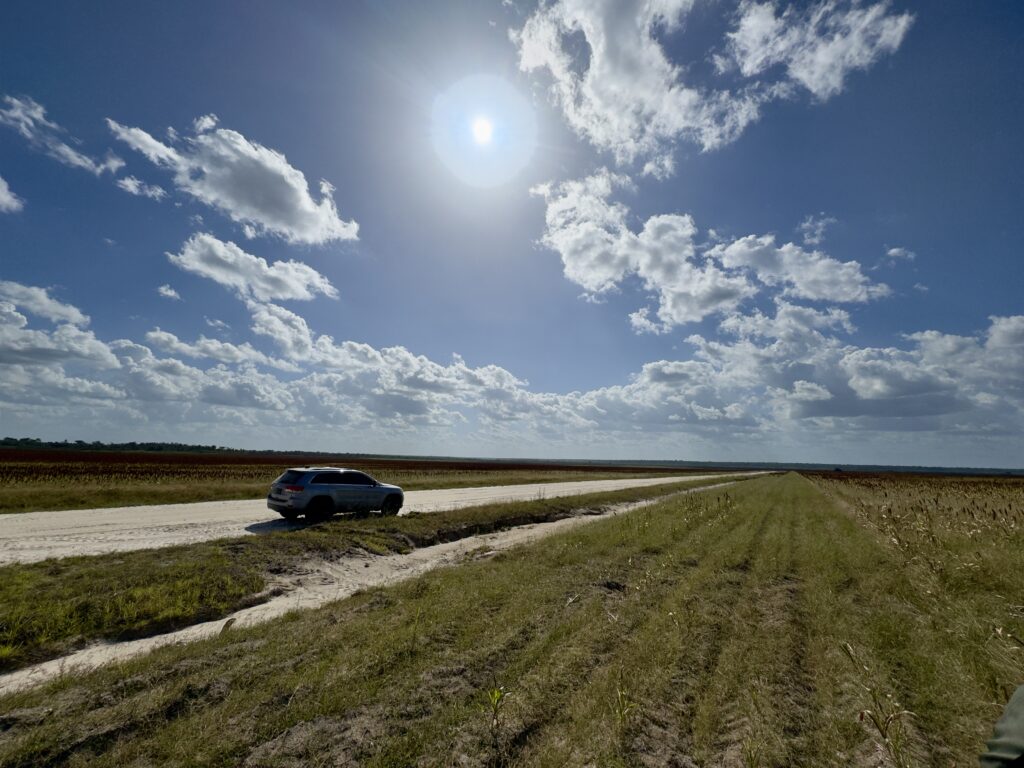
The property spans approximately 23,000 acres, representing a large-scale, multi-use landscape that combines active agricultural production, established tourism operations, and significant undeveloped natural land.
At its core is a fully functioning farm operating across multiple sections, producing a variety of crops including coconuts, oranges, plantains, corn, and other seasonal fruits. The scale of production is substantial, with corn cultivation alone occupying approximately 1,000 acres, reinforcing the property’s position as a working agricultural estate rather than a small-scale farm.
The agricultural system is supported by a network of natural springs that provide consistent water sources for irrigation, allowing for ongoing production without reliance on external supply. Farming operations are integrated into a closed-loop system, where crop byproducts are used to feed cattle, and livestock waste is repurposed as fertilizer, creating a regenerative cycle that supports long-term sustainability.
In addition to crop and livestock production, the property includes multiple man-made ponds used for tilapia farming. These ponds are actively in use and continue to expand, providing an additional source of production and revenue through fish harvesting.
Location & Access
The property is located in the Lemonal area of Belize, approximately one hour to one hour and fifteen minutes from Belize City. Access is primarily by road, with paved routes covering the majority of the journey, allowing for straightforward and reliable travel from the country’s main entry point.
Lemonal is a quiet, rural community rooted in agriculture, reflecting the surrounding landscape of farmland and open space. The area remains largely undeveloped, offering a sense of stillness and separation from more trafficked tourism zones.
Philosophy of the Land
The land is defined by its scale, location, and ability to support multiple uses within a single environment. Positioned just over an hour from Belize City, it offers direct access to established tourism routes while still maintaining a sense of separation that allows for a more immersive experience.
At its core, the property is already in use. Farming, aquaculture, and tourism activity are actively taking place, supported by existing infrastructure and a working team. This creates a foundation that development can build from, rather than starting from scratch.
Ownership & Stewardship
Stewardship of the land is reflected in how it is actively used today. The farm operates as a productive system, where ingredients grown on the property are not only cultivated but processed and sold on site. This includes house-made hot sauce produced from habanero peppers grown on the farm, creating a direct link between production and retail.
This same approach carries into the guest experience. The on-site kitchen and restaurant are fully operational, supported by an established team, and provide meals for visitors participating in tours. These meals are rooted in traditional Belizean cuisine, offering guests an immediate and authentic cultural experience as part of their time on the property.
A fully functioning bar further supports guest services, with an existing team managing beverage operations, including cocktails, local drinks, and standard offerings. Together, these elements demonstrate that the property is already operating as a hospitality environment, with systems, staff, and service infrastructure in place.
Rather than building from concept, development moves forward from an existing, working foundation—where agriculture, food, and guest experience are already integrated into the day-to-day operation of the land.
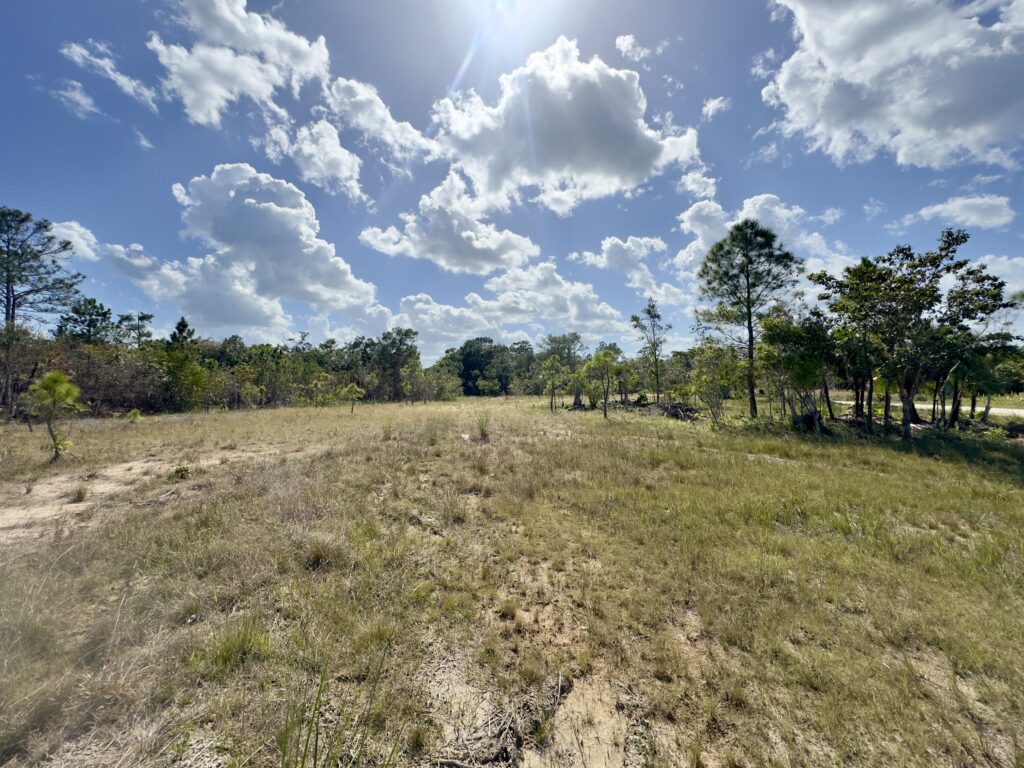
The property encompasses a diverse range of natural environments, including dense jungle, open farmland, freshwater systems, and cultivated agricultural areas. This variety creates a layered landscape that supports both production and experience within the same setting.
Large portions of the land remain in their natural state, providing habitat for a wide range of wildlife. Species commonly present include howler monkeys, deer, agouti, wild hogs, and other native animals, along with a significant variety of birdlife supported by the surrounding ecosystem.
Environmental Value
The environmental value of the property lies in how its natural and agricultural systems operate together over time.
Rather than relying on isolated inputs, the land functions through interconnected processes. Agricultural production, livestock, and aquaculture are structured in a way that allows outputs from one system to support another. This reduces waste, supports soil health, and creates a more efficient use of resources across the property.